
The iron fortification had been identified as one of the most effective strategies for tackling micronutrient deficiencies.
Nestle’s policy on micronutrient fortification is aimed at promoting the micronutrient fortification of foods and beverages at levels that help to improve and maintain health, and in amounts that do not increase the risk of developing adverse consequences from excessive consumption.
In Nigeria, food fortification with a focus on vitamin A, iron, zinc, iodine, and other micronutrients remains a major thrust of the effort to eliminate micronutrient malnutrition.
Nestle’s mission for Central and West Africa is to enhance the quality of life and contribute to a healthier future in Central and West Africa by providing affordable and accessible nutrition. Against the backdrop of a growing world population, expected to reach 10 billion people by 2050, the problem will continue to be a challenge. With Nestle global presence, extensive portfolio and R&D expertise, the food company is well placed to help address these challenges, and in doing so bring tasty and balanced diets within the reach of billions of people.
Nestle focus its efforts on products innovation, by creating affordable staples fortified with micronutrients and by having clear guidance on the nutritional profiles of our products.
A nutrition expert with Nestle Nutrition Institute Central West African Region, Dr Kanalio Olaloku listed some of the strategies to end malnutrition including; food fortification and supplementation; regular deworming; dietary diversification; enhanced caregiver capability; multi-sectoral approach/partnership; and continued research/data availability.
The World Health Organisation said fortification is the practice of deliberately increasing the content of one or more micronutrients (i.e., vitamins and minerals) in a food or condiment to improve the nutritional quality of the food supply and provide a public health benefit with minimal health risk.
This shows that fortification is an evidence-informed intervention that contributes to the prevention, reduction, and control of micronutrient deficiencies. It can be used to correct a demonstrated micronutrient deficiency in the general population (mass or large-scale fortification) or in specific population groups (targeted fortification) such as children, pregnant women, and the beneficiaries of social protection programmes” according to World Health Organisation (WHO).
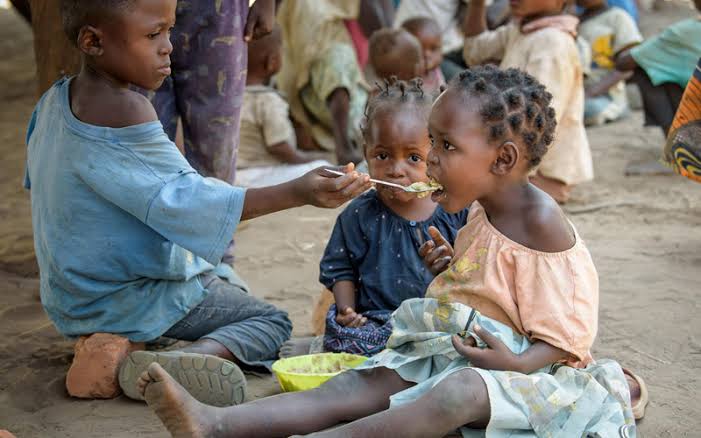
United Nations Children’s Fund, children need the right foods at the right time to grow and develop to their full potential and the most critical time for good nutrition is during the 1,000 days from pregnancy until a child’s second birthday.
The Child Rights Agency stated that nearly half of all deaths in children under five are attributable to undernutrition, stressing that undernutrition puts children at greater risk of dying from common infections, increases the frequency and severity of such infections, and delays recovery.
In 2018, Federal Government, Nestle Nigeria partnered to fight acute malnutrition among 2.3 million children as the situation poses a danger to their future.
The launch of Nestle for Healthier Kids initiative was globally launched on May 15, 2018, and explained that it was a flagship programme that brings together the initiatives Nestle has put in place to ensure that children are able to live healthier lives.
Nestle for Healthier Kids, NHK, initiative in Abuja by Nestle Nigeria Plc, reached over 17, 000 children and 350 teachers in the Federal Capital Territory, FCT, and Ogun State through the State Universal Basic Education Board, SUBEB and its remains a gigantic movement to eradicate malnutrition in Nigeria.
Nestle plans to reach over 50 million children by 2030 with the message of good nutrition, play and be active, maintain good hygiene at all times, choose water instead of sugary beverages, in fact, generally live healthy lives because healthy children end up as healthy adults.
The Head of Nutrition, Federal Ministry of Health, Dr Chris Isokpumwu lauds the initiative championed by Nestle Nigeria Plc to promote good nutrition among children including their parents.
Nigeria joined the global Nestlé for Healthier Kids initiative launched on May 15, 2018 – The International Day of Families. The programme in 2018 include further development of healthier products and advice for families on nutrition and exercise. It was aimed at helping 50 million children globally, to lead healthier lives by 2030.
The NHK launch in Abuja was attended by children from participating schools in the FCT, high-level representatives from the ministries of health and education, the Nutrition Society of Nigeria, Universal Basic Education Board, UBEB, FCT and Ogun State Universal Basic Education boards and still continue on yearly basis.
Nigeria have over 2.5 million children acutely malnourished and at least one in five of those children will die. Government alone cannot tackle malnutrition alone because it requires support of parents, teachers, corporate organisations like Nestle, and everybody.
The Company’s purpose is to unlock the power of food to enhance quality of life for everyone today and for generations to come. For over 62 years of its operation in Nigeria, Nestlé has delighted consumers around Nigeria by consistently delivering high quality nutritious food and beverages under its iconic brands: MAGGI, MILO, GOLDEN MORN, NESTLÉ PURELIFE, CERELAC, NESCAFÉ and NIDO.