

Nestlé Eradicating Malnutrition, Contributing To Healthy Living
Written by Rashidat Olushola Okunlade
Introduction
Malnutrition is a global problem, food and nutrition organisations can play a vital role in eradicating malnutrition and building inresistible nutritional foods for healthy living.
Each year, approximately 5.9 million children around the world die before their fifth birthday.
The leading killers are prematurity and pneumonia, responsible for 17.8 percent and 15.5 percent of all deaths in this age group, respectively. Degrees of malnutrition are associated with increased risk of all-cause mortality and increased risk of death due to diarrhea, pneumonia, and measles.
Experts say malnutrition, in all its forms, imposes unacceptably high costs direct and indirect on the nation.
This report examines Explains Effects of Malnutrition; Impacts of Adequate Contribution To End Malnutrition in Children and Nursing Mothers; Highlights Nestle’s contribution in eradicating malnutrition and partnerships.
Effects of Malnutrition and how to prevent it
Malnutrition is an imbalance between the nutrients your body needs to function and the nutrients it gets. It can mean undernutrition or overnutrition. You can be malnourished from an overall lack of calories, or you might have a protein, vitamin or mineral deficiency. You might also have more excess calories than your body knows what to do with.
In other to achieve healthy living, your body needs a variety of nutrients, and in certain amounts, to maintain its tissues and its many functions. Malnutrition happens when the nutrients it gets don’t meet these needs. You can be malnourished from an overall lack of nutrients, or you may have an abundance of some kinds of nutrients but lack other kinds. Even the lack of a single vitamin or mineral can have serious health consequences for your body. On the other hand, having an excess of nutrients can also cause problems.
A balanced diet should provide enough nutrients like calories, protein and vitamins, to keep you healthy from pregnancy stage to nursing mothers and to children growth. Without this, you may not be getting all the nutrients you need and this can lead to malnutrition.
Impact Of Adequate Contributions To End Malnutrition in Children and Nursing Mothers
Adequate nutrition from pregnancy stage to during breastfeeding is of vital importance in ensuring good health in both the mother and the baby as this graduate to the children growth. Furthermore, breastfeeding provides personalized and unique nutrition and is associated with long-term benefits for both the child’s and the mother’s health. Adequate nutrition during breastfeeding is crucial for ensuring the good health of mothers and babies. Despite the high energy and nutrient demands of breastfeeding, lactating women are often vulnerable from a nutritional perspective. The nutritional focus during breastfeeding tends to be on the newborn, often neglecting the mother’s diet. 
Breastfeeding has an important role in the prevention of different forms of childhood malnutrition, including wasting, stunting, over- and underweight and micronutrient deficiencies. This chapter reviews research that demonstrates how improved breastfeeding rates have the potential to improve childhood nutrition, with associated impacts on infectious and noninfectious disease prevention. The unique composition of breastmilk, the importance of breastfeeding in infectious disease prevention, the iron status of breastfed infants, and breastfeeding’s protective effect on overweight and obesity are discussed based on currently available research. Early and tailored dietary counseling is needed to improve maternal diets, which can affect the nutritional status of breastmilk. Promotion and support of breastfeeding are important to prevent childhood morbidity and mortality. A review of the literature reveals key factors shown to be effective in improving breastfeeding rates, especially including legislation to control the marketing of breastmilk substitutes. In conclusion, breastfeeding is shown to be the best natural resource to improve childhood nutrition throughout the world.
Adequate nutrition, a fundamental cornerstone of any individual’s health, is especially critical for women because inadequate nutrition wreaks havoc not only on women’s own health but also on the health of their children. Children of malnourished women are more likely to face cognitive impairments, short stature, lower resistance to infections, and a higher risk of disease and death throughout their lives
Highlights Of Nestle’s Contribution in Eradicating Malnutrition and Partnerships
Nestlé Nigeria, one of the largest food and beverage companies in Africa is contributiong to access to adequate food and a nutritious diet is a fundamental human right.
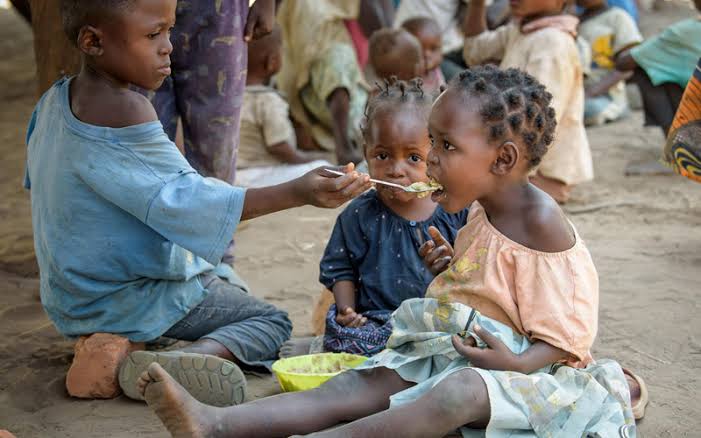
UNICEF data indicates that Nigeria is ranked number one in Africa and second in the world in the total of children malnourished. However, these right foods are barely accessible to children under five years in Nigeria as UNICEF says the country loses about 100 children per hour due to malnutrition. This translates to about 2,400 deaths daily.
The beverage company took the mantle to tackle malnutrition for generations to come,
over 127.6 billion number of servings of micronutrient fortified affordable nutrition in 2023. As part of efforts to tackle malnutrition in children under the age of five years in Nigeria which has assumed a frightening dimension amid the high cost of foods, global food and beverage brand, Nestle Nigeria Plc introduced iron fortification to help deliver essential micronutrients to this vulnerable group.

The iron fortification had been identified as one of the most effective strategies for tackling micronutrient deficiencies.

Nestle’s policy on micronutrient fortification is aimed at promoting the micronutrient fortification of foods and beverages at levels that help to improve and maintain health, and in amounts that do not increase the risk of developing adverse consequences from excessive consumption.

In Nigeria, food fortification with a focus on vitamin A, iron, zinc, iodine, and other micronutrients remains a major thrust of the effort to eliminate micronutrient malnutrition.

Nestle’s mission for Central and West Africa is to enhance the quality of life and contribute to a healthier future in Central and West Africa by providing affordable and accessible nutrition. Against the backdrop of a growing world population, expected to reach 10 billion people by 2050, the problem will continue to be a challenge. With Nestle global presence, extensive portfolio and R&D expertise, the food company is well placed to help address these challenges, and in doing so bring tasty and balanced diets within the reach of billions of people.

Nestle focus its efforts on products innovation, by creating affordable staples fortified with micronutrients and by having clear guidance on the nutritional profiles of our products.

A nutrition expert with Nestle Nutrition Institute Central West African Region, Dr Kanalio Olaloku listed some of the strategies to end malnutrition including; food fortification and supplementation; regular deworming; dietary diversification; enhanced caregiver capability; multi-sectoral approach/partnership; and continued research/data availability.

The World Health Organisation said fortification is the practice of deliberately increasing the content of one or more micronutrients (i.e., vitamins and minerals) in a food or condiment to improve the nutritional quality of the food supply and provide a public health benefit with minimal health risk.

This shows that fortification is an evidence-informed intervention that contributes to the prevention, reduction, and control of micronutrient deficiencies. It can be used to correct a demonstrated micronutrient deficiency in the general population (mass or large-scale fortification) or in specific population groups (targeted fortification) such as children, pregnant women, and the beneficiaries of social protection programmes” according to World Health Organisation (WHO).

United Nations Children’s Fund, children need the right foods at the right time to grow and develop to their full potential and the most critical time for good nutrition is during the 1,000 days from pregnancy until a child’s second birthday.

The Child Rights Agency stated that nearly half of all deaths in children under five are attributable to undernutrition, stressing that undernutrition puts children at greater risk of dying from common infections, increases the frequency and severity of such infections, and delays recovery.

In 2018, Federal Government, Nestle Nigeria partnered to fight acute malnutrition among 2.3 million children as the situation poses a danger to their future.

The launch of Nestle for Healthier Kids initiative was globally launched on May 15, 2018, and explained that it was a flagship programme that brings together the initiatives Nestle has put in place to ensure that children are able to live healthier lives.

Nestle for Healthier Kids, NHK, initiative in Abuja by Nestle Nigeria Plc, reached over 17, 000 children and 350 teachers in the Federal Capital Territory, FCT, and Ogun State through the State Universal Basic Education Board, SUBEB and its remains a gigantic movement to eradicate malnutrition in Nigeria.

Nestle plans to reach over 50 million children by 2030 with the message of good nutrition, play and be active, maintain good hygiene at all times, choose water instead of sugary beverages, in fact, generally live healthy lives because healthy children end up as healthy adults.

The Head of Nutrition, Federal Ministry of Health, Dr Chris Isokpumwu lauds the initiative championed by Nestle Nigeria Plc to promote good nutrition among children including their parents.

Nigeria joined the global Nestlé for Healthier Kids initiative launched on May 15, 2018 – The International Day of Families. The programme in 2018 include further development of healthier products and advice for families on nutrition and exercise. It was aimed at helping 50 million children globally, to lead healthier lives by 2030.

The NHK launch in Abuja was attended by children from participating schools in the FCT, high-level representatives from the ministries of health and education, the Nutrition Society of Nigeria, Universal Basic Education Board, UBEB, FCT and Ogun State Universal Basic Education boards and still continue on yearly basis.

Nigeria have over 2.5 million children acutely malnourished and at least one in five of those children will die. Government alone cannot tackle malnutrition alone because it requires support of parents, teachers, corporate organisations like Nestle, and everybody.

The Company’s purpose is to unlock the power of food to enhance quality of life for everyone today and for generations to come. For over 62 years of its operation in Nigeria, Nestlé has delighted consumers around Nigeria by consistently delivering high quality nutritious food and beverages under its iconic brands: MAGGI, MILO, GOLDEN MORN, NESTLÉ PURELIFE, CERELAC, NESCAFÉ and NIDO.



LEAVE A REPLY

Please enter your comment!
Please enter your name here