

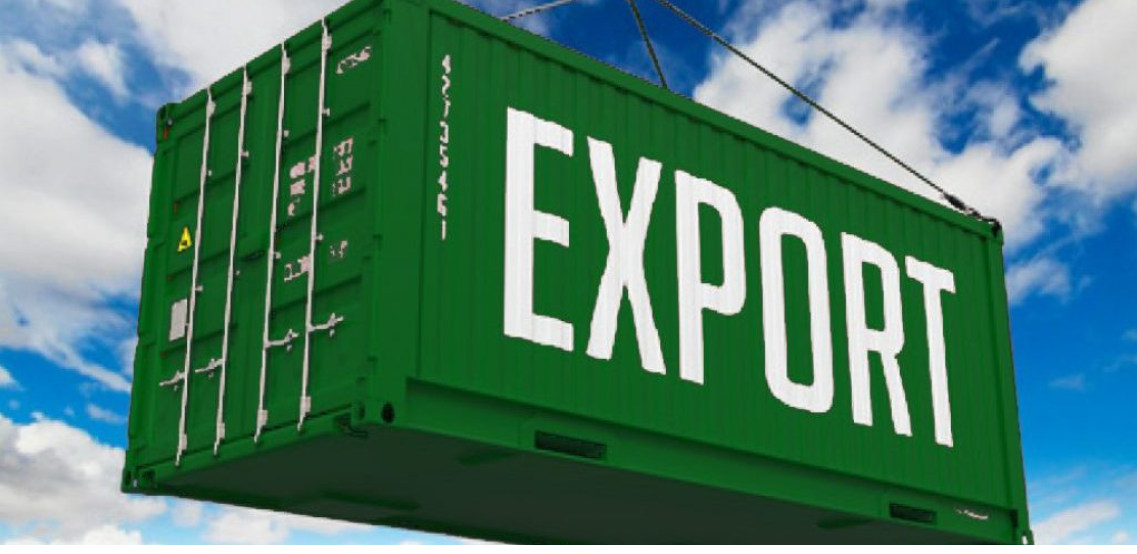

Nigeria’s Raw Materials To Morocco: A Case Of Missed Opportunities Than A Bad Deal
By Rashidat Olushola Okunlade
Nigeria is not being short-changed in a contractual sense raw materials are exported at agreed market prices, and that is a legitimate trade relationship.
However, from a strategic economic and industrial standpoint, Nigeria is capturing only a fraction of the potential value embedded in those resources.
Morocco benefits far more because it sits downstream in the value chain. By processing phosphate-related inputs into finished fertilizers and industrial products, it earns higher margins, creates skilled jobs, builds export brands, and strengthens its geopolitical influence in global food systems. Nigeria, by contrast, earns primarily from commodity exports, which are lower-value, price-volatile, and job-light.
So the issue is not exploitation, but structure. Nigeria’s continued reliance on raw material exports reflects long-standing gaps in processing capacity, infrastructure, policy consistency, and industrial financing. The same inputs that leave Nigeria at modest value are transformed elsewhere into products worth several multiples of their original price.
In that sense, the arrangement highlights a missed opportunity: with the right investments in domestic processing, clearer industrial policy, and incentives for private-sector participation, Nigeria could retain more value, support its own fertilizer and agro-industrial sectors, and still trade competitively with Morocco on more equal terms.
Ultimately, Nigeria is getting a deal, but not the best possible deal. The real upside lies not in renegotiating exports, but in rebalancing the value chain so that more processing and prosperity happens at home.